
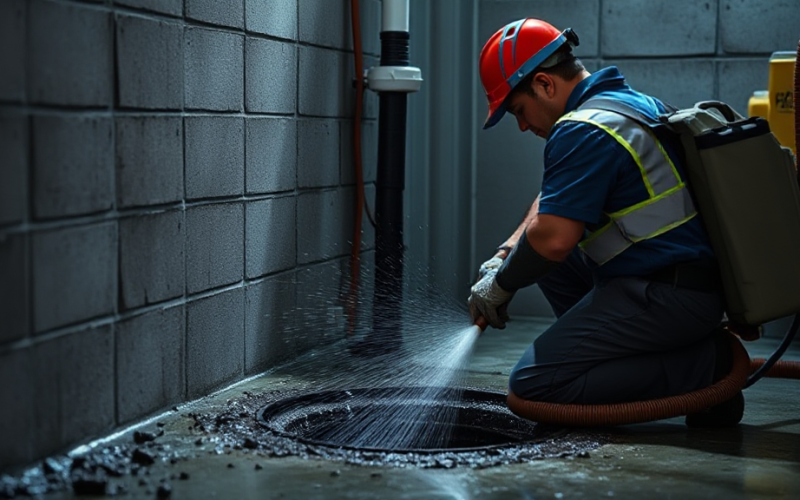
Fix a Blocked Drain in Perus: What to Do When Your First Attempt Fails
If you have already tried a plunger, a bottle of drain cleaner, and maybe a borrowed auger, and the water still sits in the sink or the toilet still gurgles, the problem is almost certainly deeper than the trap. In Perus, a district on São Paulo’s northwest edge with a mix of older houses, steep lots, and busy commercial streets, that pattern is common. The right next step is not another chemical product — it is a proper diagnosis of the buried line. This is the answer moderators repeat most often in neighborhood groups: stop pouring money into the drain and call a desentupidora Perus team that can inspect and clear the actual obstruction.
What changed recently is that more residents now search for help online instead of asking the neighbor with the long cable. That shift matters because unqualified attempts often push grease and roots further down the pipe, turning a small blockage into a backed-up floor drain. The rest of this page walks through why your first attempt failed, what a professional does differently, and how to avoid paying twice.
Why Your First Attempt Usually Fails in Older Perus Homes
Most household blockages sit in the P-trap, the curved pipe under the sink. A plunger handles those fine. But in Perus, many houses were built decades ago with clay or cast-iron lateral lines that have since accumulated scale, grease, and tree roots. When you plunge a line like that, you create pressure that compresses the clog instead of removing it.
Chemical cleaners make the problem worse in a different way. They can dissolve hair near the surface, but they rarely reach a blockage several meters into the yard line. Worse, repeated use damages older pipe joints and creates a slippery residue that new debris sticks to. If two rounds of cleaner did nothing, the blockage is beyond the reach of any product sold in a supermarket.
Signs the Problem Is in the Main Line, Not the Fixture
Watch for symptoms that appear in more than one place. If the kitchen sink drains slowly and the bathroom floor drain backs up when you run the washing machine, the obstruction is shared. Gurgling sounds from a toilet after you use the shower point to a vent or main-line issue. A single slow sink is a fixture problem; multiple slow fixtures are a line problem.
Another clue is where the water surfaces. Water rising in a floor drain or a outdoor inspection box means the clog is between the house and the street connection. That is the zone where a hand auger cannot reach and where a professional machine with a rotating head is required.
What a Professional Desentupidora Actually Does Differently
A trained crew does not start by pushing a cable blindly. The first step is locating the cleanout and the inspection box, then opening them to see the water level and the condition of the pipe. From there, the technician chooses between a motorized auger, a high-pressure jetter, or a camera inspection.
Motorized augers cut through roots and compacted grease with a spinning blade. Hydro-jetting uses pressurized water to scour the pipe wall, which matters when the line is coated with years of kitchen fat. A camera inspection confirms whether the pipe is clear or cracked, which prevents a repeat visit in two weeks. A proper job ends with the line verified, not just with water going down.
Emergency Service at Night or on Weekends
Sewage backups rarely wait for business hours. A reliable desentupidora Perus São Paulo SP operation keeps a phone line open around the clock and sends a truck with equipment already loaded. That matters in Perus because some streets are narrow and steep, and a crew that knows the area arrives faster than one dispatched from the other side of the city.
When you call, describe what you see: where the water rises, whether there is a smell, and whether the blockage affects one fixture or several. That information lets the dispatcher bring the right machine on the first trip instead of scheduling a second visit.
How to Tell a Real Emergency From a Slow Drain
Not every slow drain needs a truck. A single bathroom sink that drains in ten seconds instead of three is a maintenance item. A toilet that overflows when flushed, a floor drain with standing grey water, or sewage backing into a shower is an emergency. The dividing line is whether water is entering the living space.
If you smell sewer gas indoors, treat it as urgent even without standing water. Gas means the trap has lost its seal or the vent is blocked, and the same obstruction that causes the smell can cause a backup within days. Smell plus slow drainage is a warning, not a minor annoyance.
What You Can Safely Do Before Help Arrives
- Stop using water in the affected fixtures, including the washing machine and dishwasher.
- Remove standing water with a bucket or wet vacuum if it is safe to reach.
- Open windows and keep children and pets away from the affected area.
- Do not pour more chemicals or flush the toilet repeatedly.
- Clear access to the cleanout and the inspection box so the crew can work quickly.
These steps do not fix the blockage, but they limit damage and make the professional visit shorter. In a condominium, notify the síndico immediately, because a main-line backup affects shared infrastructure and the building may need to coordinate the service.
Costs, Trade-Offs, and What a Fair Quote Looks Like
Prices vary with access, depth, and the equipment required. A simple fixture unclogging costs far less than a main-line hydro-jetting job, and a camera inspection adds a separate line item. The trade-off is between a cheap quick clearing and a durable result. A low quote that does not include verification often leads to a second call within weeks.
| Service | Typical Use Case | What to Confirm in the Quote |
|---|---|---|
| Manual or motorized auger | Single fixture or short lateral line | Whether the cleanout is included |
| Hydro-jetting | Grease-coated or root-invaded main line | Pressure range and pipe condition check |
| Camera inspection | Repeat blockages or suspected cracks | Whether a recorded report is provided |
| Septic tank cleaning | Properties not connected to the public network | Disposal destination and volume |
A fair quote states the service, the access point, and whether a follow-up is included. Ask whether the price covers the full line or only the visible section. Verbal promises without a written scope are the most common source of disputes.
Preventing the Same Blockage From Coming Back
Most repeat calls are preventable. In the kitchen, never pour cooking oil down the sink; collect it in a container and dispose of it with solid waste. Use a strainer in every sink and shower drain. In older Perus houses, have the lateral line inspected once a year if you have large trees near the yard.
For commercial kitchens and condominiums, a preventive maintenance schedule with periodic hydro-jetting costs less than an emergency call during peak hours. The same applies to septic tanks, which need pumping on a regular interval rather than only when they overflow.
When to Call a Desentupidora em Perus São Paulo SP Instead of a Handyman
A handyman can handle a loose fixture or a shallow trap. A desentupidora em Perus São Paulo SP is the right call when the problem is in the buried line, when sewage is backing up, or when the same drain has clogged twice in a month. Those situations require equipment, insurance, and proper disposal of the removed material.
One more practical point: confirm that the company serves your exact address. Perus includes neighborhoods with different access conditions, and a crew that knows the local streets and the location of inspection boxes will finish faster and with less damage to walls and floors.
The Bottom Line for Residents Who Already Tried
If your first attempt failed, the most useful thing you can do is stop repeating it. A plunger and a bottle of cleaner have a place, but they cannot clear a root intrusion or a grease-packed main line. The pattern moderators see most often is a resident who spends a week on home remedies before calling, by which time the damage is larger and the bill is higher.
Call a professional, describe the symptoms clearly, and ask for a scope that includes verification. That approach resolves the blockage once, protects the pipe, and gives you a record for the next time — whether that is next year or next decade.
