
How Long a Desentupidora em São Mateus São Paulo SP Takes to Unclog a Drain
If you are searching for a desentupidora em São Mateus São Paulo SP, the short answer is that most routine drain unclogging jobs take between 30 and 90 minutes once the technician is on site. The total time from your first call to a flowing drain depends on access, the type of blockage, and whether the problem is a simple sink trap or a main sewer line. This article is written as a community moderator answering the questions that come up repeatedly in neighborhood groups and building WhatsApp chats, so you can prepare before the team arrives.
São Mateus is a large district in the east zone of São Paulo, with a mix of horizontal condominiums, vertical buildings, and commercial streets. That variety means the same service can look very different from one block to the next. Knowing what to have ready and what to check will save you time and avoid a second visit.
What You Need Ready Before the Technician Arrives
The most common reason a job takes longer than expected is missing information. A clear description of the blockage helps the technician choose the right equipment before leaving the base. If you can tell them whether the water drains slowly or not at all, and which fixtures are affected, you shorten the diagnostic phase significantly.
Have the address details ready, including any block, tower, or apartment number, and a phone number that works inside the building. In larger condominiums in São Mateus, the technician may need authorization at the gate, so letting the doorman know in advance avoids a delay of ten to twenty minutes.
Access and parking
Check that the access point to the inspection box or cleanout is not blocked by a parked car, a pile of boxes, or construction material. If the service requires a truck with a high-pressure jetting hose, the vehicle needs to park reasonably close to the cleanout. In narrow streets, it helps to reserve a space or ask a neighbor to move a car.
For apartments, confirm that someone will be home to open the door and that the bathroom or kitchen area is free of loose items. A technician may need to remove the toilet or open a trap, so clearing the floor around the drain is a small but useful preparation.
Building rules and permissions
If you live in a condominium, check whether the building requires a service authorization form or has a preferred time window for noisy work. Many buildings in São Mateus restrict hydro jetting to daytime hours on weekdays. A quick message to the síndico before booking prevents the team from being turned away at the gate.
For commercial properties, make sure the person who can approve the service is present or reachable by phone. A restaurant or bakery cannot afford to wait for a manager to arrive while the floor drain backs up.
How the Procedure Usually Unfolds
When you call a desentupidora São Mateus, the first step is a short phone triage. The attendant will ask what is clogged, whether there is a history of repeated blockages, and whether any chemical product has already been used. This last point matters because some chemicals can make the blockage worse or create a safety hazard for the technician.
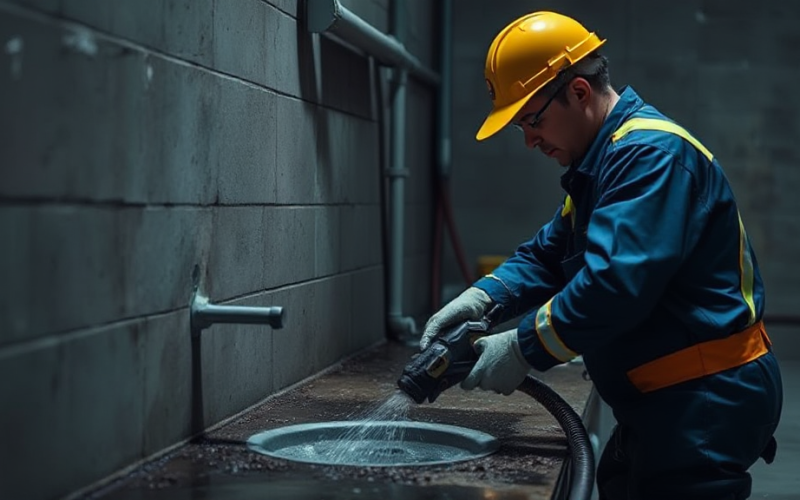
On arrival, the technician inspects the affected area and locates the cleanout or inspection box. For a simple sink or shower drain, the work is usually done with a manual snake or a small motorized auger. For a main line or a backyard sewer, the team may use a rotating cable machine or a high-pressure water jetter.
Diagnosis and access
The diagnosis phase typically takes ten to twenty minutes. The technician checks whether the blockage is local or in the main line, and whether tree roots, grease, or a collapsed pipe is the likely cause. If the cleanout is buried or inaccessible, the job may require opening a small area of floor or wall, which is a separate conversation about cost and permission.
In older houses in São Mateus, it is common to find clay or cast-iron pipes that have never been inspected. A camera inspection may be recommended if the blockage returns within a few weeks. That is not a sales tactic; it is the only way to see a broken pipe or root intrusion without digging.
Unclogging and testing
Once access is confirmed, the actual unclogging is often the fastest part. A simple trap can clear in five to ten minutes. A main sewer line may take thirty to sixty minutes of work, plus time to test the flow with running water. The technician should run water through the line and check that it drains freely before packing up.
If the blockage is caused by grease, the team may use a jetter to wash the pipe walls. If it is caused by roots, a cutting tool is needed first. The type of blockage determines both the equipment and the time, which is why a phone estimate is always a range rather than a fixed number.
Time Expectations by Type of Blockage
Residents often ask for a single number, but the honest answer is that time varies by fixture and cause. The table below gives a realistic range based on common residential and commercial calls in the east zone of São Paulo. These are working estimates, not promises, and a technician will confirm the scope on site.
| Type of blockage | Typical working time | What affects the estimate |
|---|---|---|
| Sink, shower, or floor drain | 20 to 45 minutes | Access to the trap, hair or soap buildup |
| Toilet | 15 to 40 minutes | Whether the object is soft or solid, floor access |
| Kitchen grease line | 40 to 90 minutes | Pipe length, grease hardness, need for jetting |
| Main sewer line | 1 to 3 hours | Roots, pipe condition, cleanout location |
| Septic tank or fossa | 2 to 4 hours | Tank size, sludge level, truck access |
These ranges assume the technician can reach the cleanout without demolition. If a wall or floor must be opened, add time for the opening and for a temporary closure. In buildings with shared stacks, the technician may also need to coordinate with neighbors to avoid water backing up into another apartment during the work.
What Changes the Cost and the Timeline
Cost and time are linked. A job that requires a jetting truck, a camera inspection, or after-hours emergency dispatch will cost more than a simple snake job. The emergency dispatch premium is the most common surprise for first-time callers, so ask about it when you book.
Distance within São Mateus matters less than access. A house on a narrow street where the truck cannot park may require a longer hose run, which adds labor time. Similarly, a basement drain with no cleanout may require the technician to work through a smaller access point, which slows the job.
When prevention is cheaper than repair
Repeated calls for the same drain are a sign that the underlying problem has not been solved. Grease traps that are never cleaned, tree roots that are cut but not removed, and pipes with a belly or sag will keep causing blockages. A preventive maintenance visit, usually scheduled every six to twelve months for commercial kitchens, costs less than three emergency call-outs.
For residential buildings, a simple habit helps: avoid pouring cooking oil down the sink, use drain strainers in showers, and flush the line with hot water once a week. These steps do not replace professional service, but they reduce the frequency of blockages.
What to Check After the Service Is Done
Before the technician leaves, run water through every fixture connected to the line that was unclogged. A drain that flows well in the bathroom may still back up in the kitchen if the shared line is partially blocked. Testing all connected fixtures is the only way to confirm the job is complete.
Ask for a brief description of what was found and what was done. If the technician used a camera, ask whether a recording or photo is available. This record is useful if the problem returns and you need to show the building management or a second company what was already attempted.
Signs the job is not finished
Gurgling sounds, slow drainage in a different fixture, or a sewage smell after the service are signs that the line is not fully clear. Call the company back the same day if possible. Most reputable providers offer a short warranty on the service, and reporting the issue immediately keeps that warranty valid.
Also check for water leaks around the cleanout cap and under the sink. A cap that was not tightened properly can drip for days before anyone notices. A quick visual check after the technician leaves prevents a small leak from becoming a damaged cabinet.
Preventing the Next Blockage in São Mateus
The climate in São Paulo brings heavy summer rains, and in São Mateus that means storm drains and outdoor areas can carry leaves and debris into the sewer line. Keeping yard drains clear before the rainy season is a simple preventive step. For commercial properties, scheduling a jetting service before the holidays avoids the worst time of year for emergency calls.
If you manage a building, keep a simple log of every service call, including the date, the fixture, and what was found. Over a year, that log shows patterns. A drain that clogs every three months is trying to tell you something that a single emergency visit cannot fix.
Working with a local provider
A local desentupidora São Mateus São Paulo SP has two practical advantages: shorter arrival times and familiarity with the building stock in the district. That local knowledge matters when a cleanout is hidden in a standard position for a 1980s house or when a condominium has a shared line that runs behind the commercial units on the ground floor.
Ask whether the company works with 24-hour emergency service and whether the price quoted on the phone includes the dispatch fee. A clear answer before the visit avoids the uncomfortable conversation at the end.
Frequently Asked Questions
Do I need to be home during the service?
Yes, for residential jobs. The technician needs access to the affected area and may need to turn water on and off. For a building, the doorman can provide access to common areas, but someone should be available inside the apartment if the blockage is in a private line.
Can I use chemical drain cleaner before calling?
It is better to avoid it. Chemical cleaners can damage older pipes, and they create a hazard for the technician who opens the line. If you have already used one, tell the attendant when you call so the team can take the right precautions.
How often should a commercial kitchen line be cleaned?
Most restaurants and bakeries benefit from a preventive jetting every three to six months, depending on volume. A grease trap that is not maintained will send grease into the line, and no amount of emergency unclogging will fix that without addressing the trap.
What if the blockage returns the next day?
Call the same company immediately. A return within a short period usually means the original cause was not fully removed, such as roots that were cut but not cleared or a pipe that is partially collapsed. A camera inspection is often the next step.
Is hydro jetting safe for older pipes?
It depends on the pipe condition. A technician should assess the line first, especially in older houses with clay or cast-iron pipes. High pressure can damage a pipe that is already cracked, so the pressure is adjusted to the material and condition.
